

Art Fairs and Alternative Places to Sell
Description
LEARN ABOUT other gallery options for promoting your art – and how to avoid scams and keep control on what it costs you.
|
This section covers:
|
OTHER ALTERNATIVES FOR EXHIBITIONS
On other pages you can read about: |
- Art Fairs – an artist – or more often a gallery – rents a booth on an ad hoc basis after passing quality assessment by fair
- Art Market – an artist rents a booth on a regular basis; tends to require a long term commitment.
- Vanity Galleries – and why they are to be avoided
- Selling art face to face – from Home
- Ecommerce for Artists
- Selling art online – from home coming soon
- Commissions – coming soon
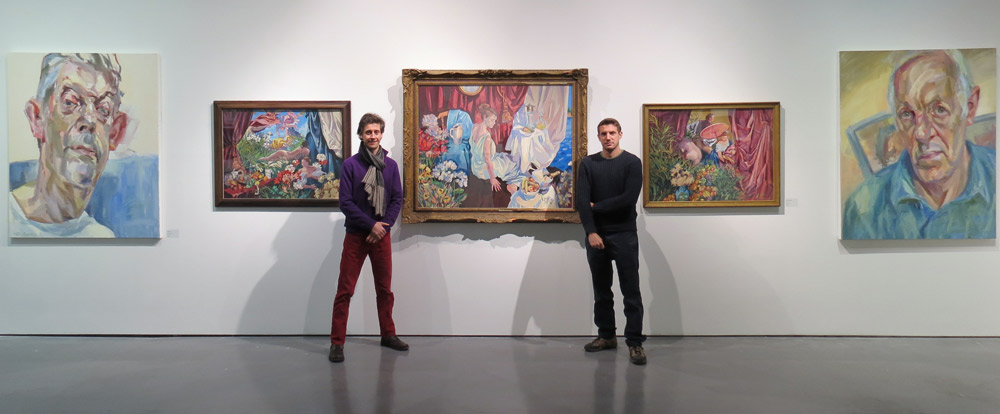
at The Threadneedle Space at the Mall Galleries for a joint exhibition.
See A Threadneedle Space Exhibition for how the arrangement worked.
What is “due diligence”?
|
Three reasons why you need to take due diligence of art galleries/fairs/events seriously
|
REFERENCE:
Checklist of questions
|
Comparison: Vanity Gallery vs Artists’ Co-operative vs Rental Space
|
Rental Space – pay to exhibit
|
Artists’ Co-Operative
|
Vanity Gallery – Rent a wall
|
Self-Promotion – how to run your own exhibition with integrity
|
Paying for your own marketing used to be really frowned on – but times have changed. In the past an artist might not be considered to be credible if they were not taken on by a gallery who judged their art and found it worthy of putting on their walls Today, marketing art is no longer limited to the conventional and traditional methods e.g. bricks and mortar galleries. Art Marketing practices – have changed due to:
|
The critical difference with Self-Promotion is that the artist is in charge – and is not being taken advantage of. The artist who promotes their own work by arranging their own exhibition:
|
|
The options for exhibiting your art Many artists have explored ways of making themselves more independent of conventional channels. Beside promoting themselves – via websites, blogs, ecommerce and holding open studios – one of the ways they can promote their art is to hire space at a reputable art fair/market or gallery and hold an exhibition. Options for holding your own exhibition include:
General Reference:
|
The outcome of self-promotion can be both high risk AND highly profitable
Direct sales involve a lot more work and a willingness to invest in your art – but direct sales with no commission can be very rewarding as well as risky:
(For example read my post Rosa Sepple sells 50+ paintings in 4 days!)
|
Reputable galleries to rent in London
Two galleries in London that hire space to reputable art groups and artists are the Mall Galleries, the Bankside Gallery and the Menier Gallery. The first two are homes to prestigious National Art Societies and artists renting space are often members of the art societies. The Menier Gallery also has art society exhibitions by those not associated with either of the first two galleries.
- Mall Galleries – venue hire (See A Threadneedle Space Exhibition for details of one such exhibition)
- Bankside Gallery – exhibition hire (PDF)
- Menier Gallery – Gallery Hire
The PopUP Show / Art Gallery
(Pop up Shops) are becoming extremely popular because they allow immense flexibility, while not requiring a large commitment of time and money. A pop-up gallery or store can be a great option for retailers, boutique shops, local artists and designers
Tristan Pollock – Founder of Storefront

Pop up shops are temporary retail spaces, used by tenants who need a short, flexible hire instead of a traditional long lease. Vacant high street shops provide space to test an idea, launch a business or product, reach new customers and build brand awareness.
About popuspspace
|
A Pop Up Show / Gallery / Shop – also known as ‘flash retailing’ is a great way for an artist to:
It can also help a local community and economy by providing an attractive use for an otherwise empty shop or commercial space. You can use vacant commercial premises on very flexible terms. First you need to decide what you want to do….
…..and then you need to locate a suitable space in a suitable place. What you need:
|
What is a pop up shop?
How to run a Pop Up Space
How to find a Pop Up Space (UK)
How to find a Pop Up Space (USA)
REFERENCE (UK):
|
|
Pop Up Business For Dummies by Dan Thompson Rated an average of 4.5 out of 5 stars by 22 UK based customers Lots of practical pointers to the process of what you need to do to run a successful pop up event – including art shows or art galleries This book was written by the Empty Shops Network founder Dan Thompson and published in 2012. |
  |
Paperback: 264 pages
Publisher: John Wiley & Sons; 1 edition (5 Oct. 2012) Also available as Kindle Pop Up Business For Dummies
from Amazon UKPop-Up Business For Dummies
 from Amazon.com from Amazon.com |
|
This section covers:
|
|

The Art Fair is a major contemporary development in relation to selling art.
- There has been an explosion in art fairs in recent years.
- More than 200 international Art Fairs showcase contemporary art from art galleries and art dealers for art collectors from around the globe each year
- Art fairs run more or less non-stop – from a global perspective
- As a result Contemporary Art is becoming more event driven and less gallery based
- Artists need to produce art that sells to get chosen as an artist that art dealers/galleries take to an art fair.
- At a regional and local level there are numerous much smaller art fairs at which artists can represent themselves.
The Art Fair – from different perspectives
…fairs are a burden. No one can keep up. Worse, no one can afford not to, least of all galleries strapped for sales, publicity, and cash.
John Haber
|
The Art Fair’s perspective Galleries and artists that want to participate in the higher end art fairs generally have to meet the criteria for the type of gallery/artist the Art Fair wants to see exhibited at a Fair. Typically, the larger and more prestigious contemporary art fairs only want art galleries and art dealers taking stands – and charge accordingly. Smaller and more parochial art fairs will allow artists to represent themselves on their own account – if they meet the quality criteria. |
The art collector’s perspective The major advantage for the buyer is that they:
For those who are ‘time poor‘ these reasons are a major advantage and the reason why they attend. This factor works at all levels of the art collecting community – which is one of the reasons why art fairs are so very popular. |

….we’ve reached out to an array of art professionals—from dealers and collectors to artists and journalists—to ask them to vent their grievances, gripes, and bêtes noires regarding outrageous collector behavior, looky-loos, pesky journalists, and other malefactors
ArtSpace
The Art Fairs – international, regional and local
Views about International / Contemporary Art Fairs
- The Impact of International Art Fairs on Galleries by Brian Sherwin | FASO – Most of the art dealers I know loathe the influence that big art fairs have today. Yet several of them continue to increase said influence by participating.
- Art Fairs: Another Scam or the Best Way to Market Your Work? by Sharon Weaver | FASO
- Reactions and Reviews of “Art Fairs: An Irresistible Force In The Art World?” At Sotheby’s Institute Last Week | ArtLawReport – covers the legal issues associated with contracts and liabilities associated with art fairs
- Resistance is futile – John Haber – about the Sotheby’s discussion of art fairs and their impact on the art market.
- The rise of the art fair: who wins and who loses by Kristina Nazarevskaia
- Are there too many art fairs? | Apollo Magazine
- Richard Lehun on the legal issues surrounding art fairs – spells out the fiduciary duty issues
|
Guides to Art Fairs – for collectors Everything You Need to Know About Art Fairs (But Were Afraid to Ask) By Alex Allenchey and Andrew M. Goldstein | Artspace
|
Guide to Art Fairs – for artists
|

International Art Fairs frequented by Galleries
|
The Art Gallery’s perspective Presence at an Art Fair means they are recognised to be credible and now have another place to sell art. However this also means that they have less time to invest in the gallery shows at ‘home’. and you are less likely to develop a client base that lives near your gallery – and thus become dependent on somebody else’s operation for selling art. The gallery that participates in art fairs has to finance:
|
The Artist’s perspective on Gallery-oriented Art Fairs Typically artists are at the larger and more prestigious art fairs because they are with an art gallery. Hence artists that attend art fairs with their galleries need to finance travel and hotel costs if they are there for more than one day. The locations of art fairs can mean this can be expensive. If you’re an artist and not with a gallery you’ll need to buy a ticket to attend. |
|
Gallery-based International Art Fairs
|
Gallery-based – Affordable Art Fairs
|
Local Art Fairs
|
This is the type of art fair that allows artists to take a stand and represent themselves – as long as they meet qualifying criteria for that particular art fair. Always check out the organisation’s experience of operating such fairs in other places and reviews of the operation online (artists and galleristas will make their views known if it was a disaster!) Beware of the Art Fair with no track record that promises more than it can deliver or breaches its contracts. |
Artists have to rent a space and then buy or rent a stand that meets the fair’s requirements. You need enough stamina or people to be able to man the stand at all times (you can’t rely on your neighbouring stands being reliable). Artists often take a camper van or use B&Bs for accommodation. The time taken for preparation is significant. Travel costs for non-local shows can be hefty. |

Artists Fairs – at a local and regional level
|
In the USA there are a lot of art shows at a regional and local level. There’s also a lot of ‘knowledge’ about those art fairs to be had from those who have previously exhibited. Art Fair Organisers annoy artists at their peril! |
USA
See also the due diligence section for questions to ask before making a financial commitment. |
Are you ready for an Art Fair?
|
If you’re thinking about trying an art fair here are some things to think about
|
REFERENCE
|
Art Fair FAQs
|
How to Succeed at Art Shows and Festivals | Red Dot Blog – this is a post asking artists to provide tips from their own experience Selling Art: Tips From An Art Fair Veteran | Mona Majorowicz – Tips about how to conduct yourself and covering:
|
Many artists share their views on Art Fairs in the Facebook Group Art Fair Buddies FAQS: Two blog posts written by Michelle Geromel who wrote the Kindle book about art fairs (see below)
|
  |
|
This is a Kindle Book. The chapters Include:
- Submitting To An Art Fair
- Planning Ahead
- Marketing Material
- Contact Information
- Product Display
- Print Display
- Booth Dynamics
- Money & Credit Cards
- The Tent
- The Tent Walls
Appendix: Artist Resources
Appendix: Sample Contact Sheet
Appendix: Sample Tent Diagrams
Appendix: Art Festival Check List
This book is written by an artist with a lot of experience of art fairs. She uses them as a way of making a profit and penetrating a new geographical marketplace so she can get hung in local galleries. You can see lots of photos of her shows on her website.
She’s also the author of the Artist Organized series
Available from Amazon.com
Art Fair Equipment – PRACTICAL TIPS on art fair specifics
|
Before contemplating applying for an art fair do check out the rules on what you can use to display your art.
Then there’s all the equipment you need….. |
Do visit an art fair to look specifically at what tents and display equipment and lights people use for their stands. Find out if they are happy with them and whether they would recommend a purchase – but don’t ask questions when they are busy selling! REFERENCE
|
  |
This is the classic 10 x 10′ booth with a roof and walls used by very many people who attend art fairs. They are not cheap to buy so you need to think seriously about whether you want to do art fairs before you invest. Do make sure you erect it at home first rather than trying it out for the first time at the art fair! Rated 3.8 out of 5 stars by 167 customer reviews BUY THIS BOOTH E-Z UP ES100S Instant Shelter Canopy, 10 by 10′, White
From Amazon.com |
Tips from artists who show at art fairs
|
Take a tip from people who’ve done lots of shows as to what you need and what works best. You’ll find most of the practical tips come from craftspeople rather than artists however most good practices are common to both. These sites are written by an American artist who has been doing fairs for well over 20 years
|
This is a very sound batch of posts by experienced craft artist Luann Udell – which have as a common title Good Booths Gone Bad. Luann is very experienced at showing at art fairs – and she’s been at League of NH Craftsmen’s 75th Annual Fair all week. Here’s a sample
You can find her two e-books about booths at art fairs below |
